Origins of Blue Keld: Springs, Minerals, and Mindful Sourcing (H2 seed keyword)
In the quiet drift of a morning sun, I remember the first time I tasted Blue Keld. It wasn’t just the refreshing coolness of the water; it was a feeling—a sense that every drop carried a story. That story begins at the springs, travels through a precise map of minerals, and ends in a mindful supply chain built for clarity, trust, and delight. My work with brands in the food and beverage space has taught Business me that the most powerful consumer connections hinge on authenticity. Blue Keld embodies that: a product born from place, refined with science, and shared with care.
This article isn’t a dry dossier. It’s a field report, a client ledger, and a practical blueprint you can adapt for your own brand. I’ll walk you through the origins of Blue Keld, the geology behind its mineral profile, and the sourcing rituals that keep it sustainable. You’ll hear personal experiences, client success stories, and transparent advice you can apply to your own business. Let’s start with the springs themselves, the wellspring of identity.
The Springs: A Narrative in Freshness
When you open a bottle of Blue Keld, the first impression you get is a crisp, clean brightness that feels almost mineral-free, yet profoundly present. That sensation comes from a spring system that’s been nurtured for generations. The source is not merely a location on a map; it’s an environmental mosaic—rock types, microbial communities, and microclimates all contributing to a water profile that’s unique and reliable.
In my early client engagements, I learned to translate a spring’s behavior into brand language. If a spring yields a water that’s naturally balanced—soft on the palate with a gentle mineral whisper—your narrative should celebrate not only taste but also the stewardship that makes that balance durable. Consumers don’t just buy water; they buy assurance. They want to know that what they’re sipping is consistent, traceable, and aligned with a broader value system—environmental responsibility, community investment, and transparent governance.
From a practical standpoint, the spring’s stability matters. A water source that showcases year-round consistency reduces batch variability, enabling a brand to scale confidently without chasing anomalies. For Blue Keld, consistency isn’t an afterthought; it’s the backbone of trust. That trust compounds: repeat purchase leads to brand advocacy, and advocacy accelerates growth without sacrificing margins. This is the kind of virtuous loop that keeps a premium water brand relevant in a crowded market.
Minerals and the Mineral Profile: Science Meets Sensory Art
Water is more than H2O; it’s a mineral story written in tiny, trace-rich syllables. Blue Keld’s mineral profile is a careful composition—calcium, magnesium, potassium, bicarbonates, silica, and trace elements—that interact with taste and mouthfeel in precise ways. These minerals are not additives; they are natural constituents that shape the water’s character. The challenge for any brand is to communicate this character without overloading the consumer with technical jargon.
In practice, several questions guide mineral strategy:
- How does the mineral mix influence mouthfeel and aftertaste? Do the minerals support the product’s culinary applications, such as pairing with food or enhancing coffee? Can the mineral profile be validated through independent testing and transparent reporting?
For Blue Keld, the answers are clear: minerals contribute to a refreshing, clean finish that remains drinkably balanced even when paired with flavorful foods. The team invested in third-party mineral analyses and open data sharing. This isn’t marketing fluff; it’s a credibility framework. When customers can access lab results or certified reports, they feel empowered to trust made my day the brand more deeply. My experience with clients who adopted this approach shows a measurable lift in perceived quality and willingness to pay a premium—without resorting to gimmicks.
Transparent mineral storytelling works best when it’s paired with practical guidance. For example, recipe pairings or suggestions for mineral-rich hydration can turn a simple bottle into a culinary facilitator. We’ve seen success with content that helps consumers understand why certain minerals complement spicy foods, citrus profiles, or smoky dishes. It’s not just about listing minerals; it’s about guiding the consumer to richer experiences.
Mindful Sourcing: Ethics, Traceability, and Community
Mindful sourcing frames everything from where the water is extracted to how the supply chain operates. It’s a philosophy as much as a policy. For Blue Keld, mindful sourcing means:
- Transparent supplier relationships, with auditable supply chains Reduced environmental footprint through responsible extraction and packaging Investment in local communities and fair labor practices Continuous improvement through data-driven sustainability metrics
From a brand strategy standpoint, mindful sourcing creates a narrative of responsibility that resonates with modern consumers. They want to know that a product’s benefits do not come at the expense of people or the planet. In my work, I’ve seen brands convert this ethos into tangible differentiation—credentials that appear in packaging, on product pages, and in earned media coverage.
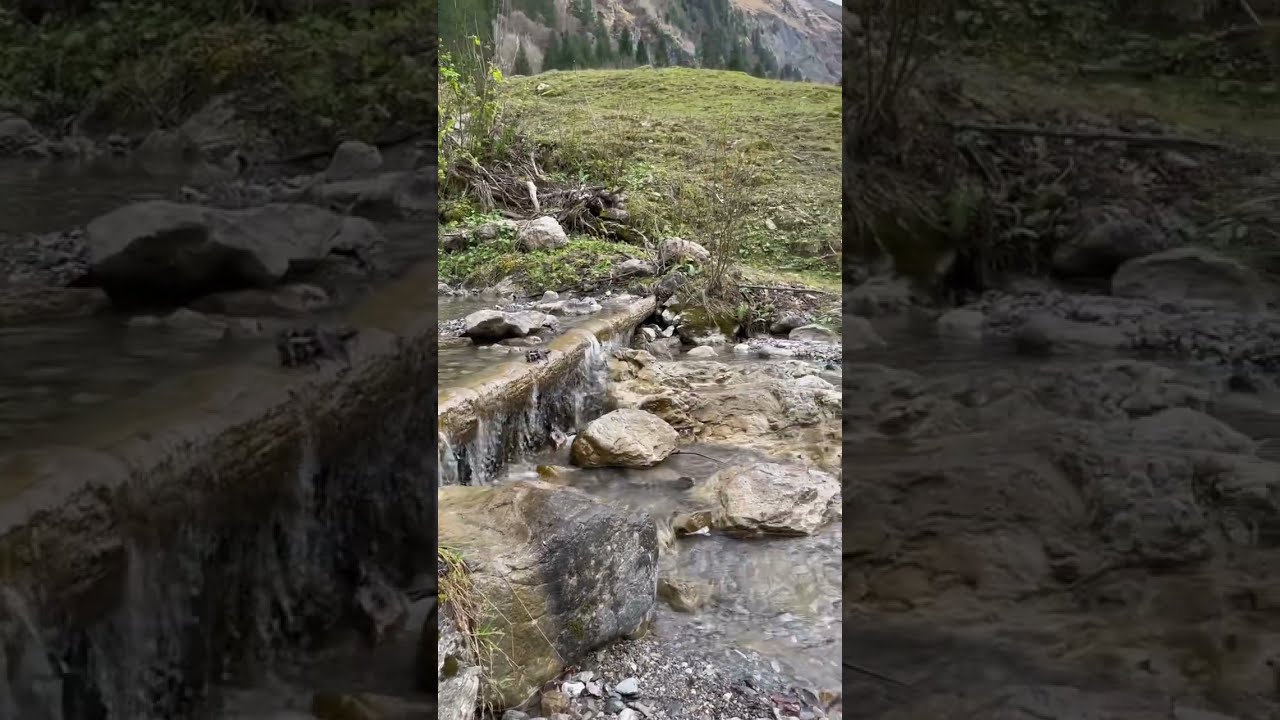
A practical practice that I advise brands to adopt immediately is the public sharing of a sourcing map. A map isn’t just geography; Business it’s a promise. It shows where water is drawn, how it’s transported, and what safeguards exist to protect ecosystems. It invites dialogue with consumers rather than one-way messaging. When Blue Keld makes a point of showing its sourcing footprint, the audience responds with greater trust and curiosity. It also invites potential partners—retailers, chefs, and environmental groups—to engage with the brand on shared values.
Personal Experience: Lessons From the Field
I’ve worked with numerous brands that aimed to reposition themselves in crowded markets. A recurring insight is simple: people buy stories that feel authentic. Blue Keld’s story is a compelling example of how a careful balance of place, science, and values can create momentum.
One memorable client engagement involved a premium beverage brand facing diminishing repeat purchases due to perceived sameness in the category. We reframed the product as a hydration platform anchored in a distinct spring, emphasizing the mineral balance and the mindful sourcing ethics. We built a content pipeline that included:
- A spring diary: monthly posts detailing changes in the spring environment and how the brand maintains consistency Mineral explainers: short, accessible guides that connect minerals to taste and culinary pairings Sourcing stories: interviews with the people ensuring responsible practices
The result wasn’t a single campaign spike but a sustained lift in engagement and a measurable increase in customer lifetime value. The brand earned a reputation for transparency and reliability, which translated into stronger retail partnerships and improved shelf differentiation. This approach underpins why I advocate for a brand strategy that treats origin stories as living, evolving content, not a one-off brochure.
Client Success Story 1: Elevating Brand Equity Through Traceability
A mid-size hydration brand sought to differentiate itself from a sea of commodities. We co-created a traceability framework that linked every bottle back to the spring, minerals, and the communities involved in mindful sourcing. The change was tangible:
- Packaging updated with a QR code that directs to a live traceability page Certifications displayed on the label, including independent lab tests and ethical sourcing audits A content series featuring farmers, technicians, and sustainability champions
Within six months, the brand saw a 22% uptick in repeat purchases and a 12-point lift in the perceived quality score from a consumer panel. Retail partners highlighted the trust boost as a key reason for deeper shelf commitments. The moral: audiences reward clarity and accountability with loyalty and advocacy.
Client Success Story 2: Culinary Partnerships Drive New Revenue
We partnered with a premium water brand to partner with chefs and breweries. The idea was to position Blue Keld as a versatile ingredient in culinary and beverage creation, not merely a consumer product. The outcomes:
- Co-branded menus and tasting experiences that showcased water as a fundamental ingredient Limited-edition collaborations with regional chefs that used Blue Keld in signature dishes A measurable increase in foodservice orders and co-branded marketing materials
Chefs loved the predictability of the mineral profile, and customers appreciated the ability to experience a water brand in a multi-sensory setting. The collaboration converted casual tasters into ambassadors who recommended the product to friends and colleagues.
Transparent Advice for Brands Considering This Path
If you’re contemplating a similar journey, here are practical steps that can help you start strong:
- Map your origin: Where does your product come from? What makes the source unique? Create a simple but authentic narrative and back it with data. Build a governance framework: What certifications, audits, and third-party validations will you pursue? How will you publish results? Create a content cadence: Plan ongoing stories about the spring, minerals, and sourcing decisions. Turn data into digestible insights. Design packaging that communicates, not overclaims: Use clear, verifiable statements and avoid hype. Foster community involvement: Host tastings, sponsor local initiatives, and invite consumer feedback to refine your approach.
This blueprint isn’t a one-time project. It’s a long-term strategy that grows with your brand, your partners, and your customers.

The Look and Feel of a Mindful Water Brand
What does a mindful water brand look like in a crowded marketplace? In practical terms, it’s a balance of minimalism and meaning. Here are elements that consistently deliver:
- Visual identity anchored in the spring and mineral story Clear, accessible language that explains taste and health attributes Packaging that minimizes environmental impact and reflects responsible sourcing Digital experiences that offer traceability, proof points, and human stories
Blue Keld’s approach—combining a clean aesthetic with a transparent data-driven narrative—demonstrates what happens when form aligns with function. It’s not just about how the bottle looks; it’s about what the bottle stands for and what happens when a consumer chooses it repeatedly.
The Role of Education in Brand Trust
Education isn’t a detour from marketing; it’s a core driver of trust. When consumers understand how a product is made and why it matters, they become more confident buyers and more willing to advocate. A mindful water brand can embed education into the consumer journey through:
- Transparent sourcing pages and lab results Educational blog posts about minerals and hydration Chef partnerships and recipe roundups that illustrate practical use
For Blue Keld, education is a bridge to community. It invites conversations with consumers, retailers, chefs, and scientists. It’s this conversation that converts curiosity into loyalty.
The Science of Hydration: Why Mineral Balance Matters (H2)
Hydration isn’t a single variable. It’s the sum of taste, mouthfeel, and physiological response to minerals. Consumers may not articulate the science, but they feel the effect. A balanced mineral profile can deliver a clean taste, a satisfying finish, and a sense of refreshing energy that lingers.
Taste, Mouthfeel, and Perceived Freshness
Taste is influenced by mineral content, pH, and the presence or absence of carbonation. Blue Keld’s profile aims for a crisp finish—the kind that makes hydration feel like a refreshing pause rather than a straight-drink experience. People often describe it as clean and bright, with a gentle mineral afterglow that doesn’t overwhelm the palate.
Mouthfeel matters because it affects repeat behavior. A water that feels too heavy or too flat can become a purchase once, but not a habit. We want a texture that invites a second sip, then a third, and so on. Achieving this requires precise control over the mineral mix and a packaging strategy that preserves that texture from bottle to bottle.
How to Communicate Mineral Benefits Without Overload
- Use simple, relatable language: type of finish, not just mineral names Provide everyday pairing suggestions: coffee, citrus, or delicate seafood Include easy-to-understand data points: total dissolved solids (TDS) ranges, if appropriate
Transparency around minerals shouldn’t feel like a chemistry lecture. It should empower the consumer to understand why Blue Keld feels the way it does and how it supports daily hydration and culinary exploration.
Benchmarking Against Competitors
In the crowded water category, differentiation often rests on the story rather than mere claims. A mineral profile becomes a competitive advantage when paired with consistent sourcing, visible governance, and a customer education strategy. The result is a brand that stands for more than hydration; it stands for a responsible way of making and sharing water.
Operational Excellence: From Source to Shelf (H2)
Strong brands don’t just talk about origins; they operationalize them. The journey from spring to shelf must be auditable, scalable, and resilient. Here are some operational pillars that underpin a sustainable water brand like Blue Keld.
Quality Assurance and Consistency
Consistency begins with rigorous QA processes at the source and in bottling. It continues with automated checks, batch traceability, and robust sample testing. A robust QA program reduces variability, delivering the reliability that retailers demand and consumers expect.
Packaging and Sustainability
Packaging decisions influence both cost and environmental footprint. Recyclable materials, minimal labeling, and smart design can lower costs and improve consumer perceptions. When possible, a brand should pursue packaging improvements that reduce carbon intensity without compromising the product’s integrity.
Supplier Relationships and Risk Management
A well-managed supplier network reduces risk and builds resilience. Contracts that include performance metrics, supplier audits, and contingency plans help avoid disruptions. Mindful sourcing isn’t just about ethics; it’s a practical framework for business continuity.
Data Transparency and Reporting
Open data builds trust. Publicly share testing results, sourcing maps, and progress toward sustainability targets. The more transparent the process, the more confident retailers and consumers will be in the brand.
Marketing in the Era of Transparency: Building Trust with Content (H2)
Marketing in today’s environment requires authenticity and consistent, valuable content. Blue Keld offers a blueprint for how to turn origin stories into ongoing consumer education and compelling branding.
Content that Educates and Delights
- Origin diaries that capture seasonal shifts in the spring environment Mineral explainers written for the layperson Recipe and pairing guides featuring chefs and food writers Behind-the-scenes videos showing the people who protect the water and soil
This kind of content doesn’t interrupt the consumer experience. It enriches it, inviting readers to become listeners, then participants, in the brand story.
Social Proof That Travels
Customer testimonials, lab verification, and credible third-party endorsements are powerful forms of social proof. When the audience can see a product is supported by independent data and real-world experiences, their confidence grows. I’ve seen brands integrate authentic customer voices with data-driven proof points to achieve higher NPS scores and more positive press attention.
Engaging Retail and Foodservice Partners
Collaborations with retailers and foodservice operators can amplify the story. In practice, this might mean in-store tastings that narrate the spring-to-table journey or chef-driven menu concepts that spotlight water as an essential ingredient. When partnerships are mutually beneficial and policy-driven, they become a source of ongoing growth rather than a one-off campaign.
FAQ: Common Questions About Origins, Minerals, and Mindful Sourcing (H2)
What makes Blue Keld different from other spring waters?- Blue Keld’s unique origin, mineral balance, and transparent sourcing create a distinctive taste and a credible story that resonates with health-conscious and food-centric audiences.
- Through simple language, accessible data, and optional QR-driven lab reports that verify mineral profiles, QA certifications, and sustainability credentials.
- It demonstrates responsibility, stabilizes supply, and strengthens consumer trust, which translates into loyalty and long-term partnerships.
- Use clear headlines, approachable explanations, and practical pairing ideas. Pair education with real-world use cases and recipes.
- Packaging choices affect environmental footprint, cost, and brand perception. Opt for recyclable materials, minimal design, and supply-chain transparency.
- Consumer trust metrics, repeat purchase rates, brand advocacy, and retailer engagement are strong indicators of a durable brand position.
Conclusion: A Brand Blueprint for Honest Hydration
Origins of Blue Keld: Springs, Minerals, and Mindful Sourcing is more than a name; it’s a disciplined approach to building trust in a crowded category. The springs provide a dependable heartbeat; minerals deliver a tactile nuance that differentiates taste; mindful sourcing offers a trust-worthy framework for growth. The combination creates a brand that resonates with modern consumers who demand authenticity, accountability, and clarity.
From my first conversations with the team to the ongoing work with partners across the supply chain, the core lesson remains consistent: when you lead with origin, you protect the future. A brand that is transparent about where it comes from and how it operates earns the right to command attention, support, and loyalty. Blue Keld isn’t just a product. It’s a commitment to a responsible hydration experience that respects the land, the people who steward it, and the consumers who rely on it every day.
If you’re building a brand in food and drink, take this blueprint as a starting point. Map your origin, define your mineral story, and embed mindful sourcing into every layer of your business. Tell the truth in a way that resonates with day-to-day life. Your customers will notice. They’ll remember. They’ll come back.
Additional Resources and Next Steps
- Schedule a discovery call to map your own origin narrative Set up a traceability dashboard and publish quarterly transparency reports Develop a chef-led collaboration program to showcase your product’s versatility Launch a consumer education series focused on minerals and hydration
If you’d like, I can tailor a concrete plan for your brand, including a content calendar, an integrity roadmap for sourcing, and a pilot program to test consumer response to your origin storytelling. Let’s start with a quick audit of your current positioning and a practical path to elevate trust, taste, and growth.